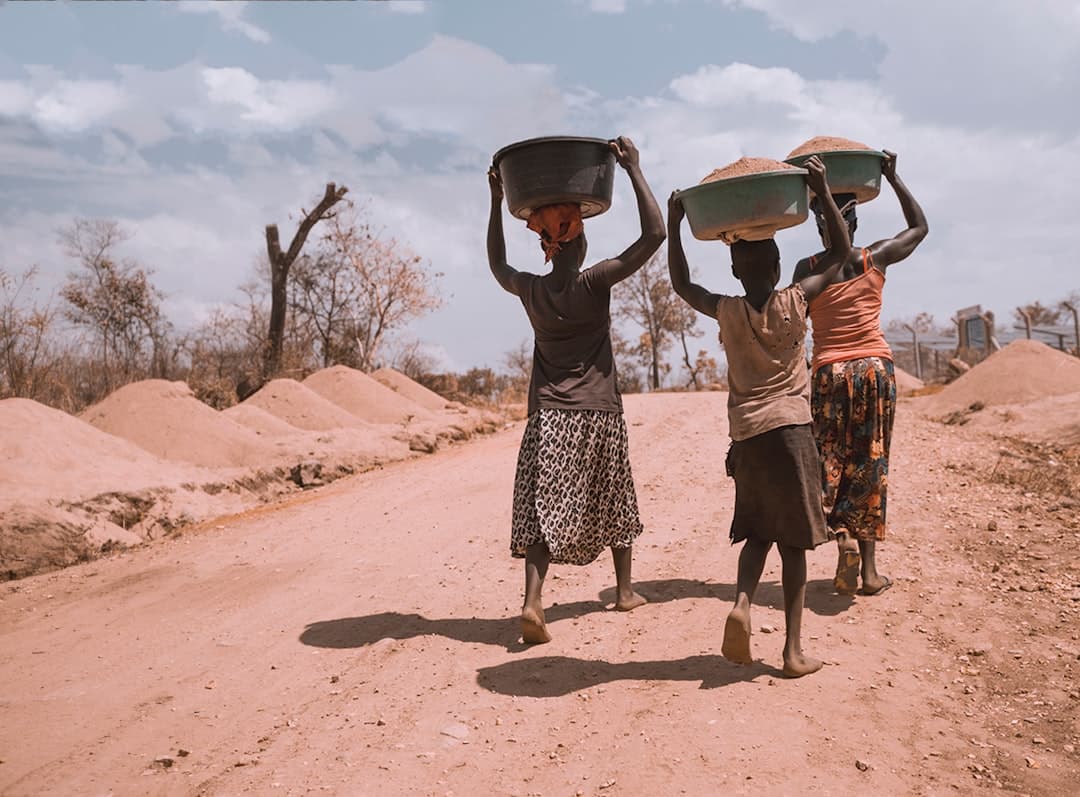
When rains fail across the Horn of Africa, or when flash floods tear through the Rift Valley, the margin between warning and catastrophe is often measured in hours. For millions of people in these regions, that margin has historically been razor-thin — not because the science to predict such events does not exist, but because the infrastructure to deliver those predictions reliably does not reach them.
That reality sits at the centre of a growing international debate about climate equity, artificial intelligence, and the uneven geography of meteorological protection. A renewed global initiative is now pushing to close that gap — and Africa is both the most urgent frontier and the most under-served.
A System Built on Missing Data
Early warning systems are only as good as the observations that feed them. Across the African continent, the density of weather stations meeting international standards remains critically low. The entire continent has fewer stations compliant with the Global Basic Observation Network than some individual European countries — a disparity that cascades directly into forecast accuracy and, ultimately, into lives lost or saved.
This is not a peripheral technical detail. Without reliable surface observations, numerical weather models produce degraded outputs. Forecasters are forced to work with incomplete pictures of atmospheric conditions over vast, climatically complex regions. In regions with intricate interactions between ocean systems, basin features, and topographic elements, the consequences of data poverty are especially severe.
The UN's Systematic Observations Financing Facility was established specifically to address this infrastructure deficit, treating weather and climate data as a global public good rather than a commodity accessible only to wealthier nations. The principle is straightforward: no amount of algorithmic sophistication can compensate for observations that were never made.
The AI Promise — and Its Limits
Artificial intelligence has entered the meteorological space with considerable momentum. Machine learning models are demonstrating an ability to accelerate forecast generation, identify patterns across large and heterogeneous datasets, and push warning lead times further ahead of dangerous events. Even marginal gains in forecast lead time can translate into meaningful protective action.
Warnings can enable communities to take protective measures in response to anticipated hazardous events. A fishing community alerted to an approaching storm can bring vessels ashore. A municipal authority forewarned of an incoming heatwave can open cooling facilities before temperatures peak. These represent the practical value proposition of early warning systems, and AI's potential contribution to them.
China's Meteorological Administration has developed a system known as MAZU — standing for Multi-hazard, Alert, Zero-gap, and Universal — which has been presented as one model for AI-assisted multi-hazard early warning. Chinese meteorological platforms, satellites, and AI tools have already been deployed to support early warning capacity in dozens of countries, with an emphasis on co-development with local partners using local data, so that receiving nations can issue their own warnings rather than depending on externally generated alerts.
This distinction — between technological dependency and genuine capacity transfer — is one that advocates for climate equity consistently flag as decisive. Warnings that arrive in inaccessible formats, through unfamiliar channels, or in languages communities do not speak, fail regardless of their technical accuracy.
Equity at the Core
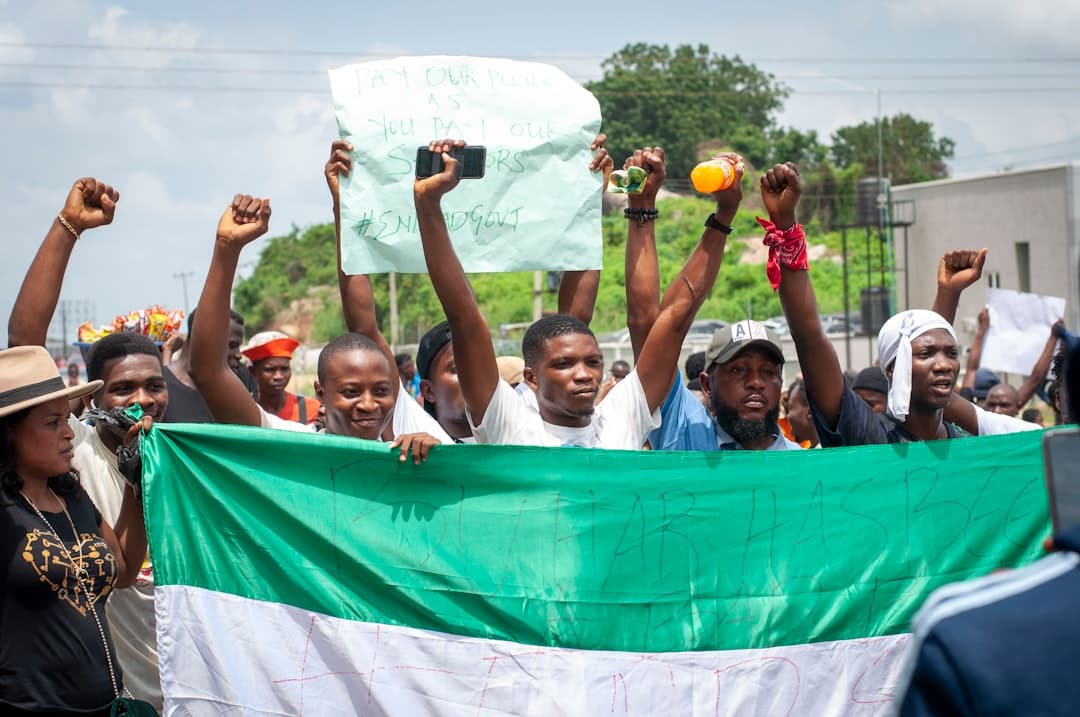
The UN's Early Warnings for All initiative, launched under Secretary-General António Guterres, frames universal early warning coverage as a matter of climate justice. The logic is hard to dispute: the countries least responsible for historical greenhouse gas emissions are disproportionately exposed to climate shocks, and disproportionately lacking in the systems that could protect them from those shocks.
Progress has been made. The number of countries operating multi-hazard early warning systems has more than doubled since 2015, with 128 countries now having such systems. Yet roughly one third of the world's countries remain without adequate coverage — and that third is heavily concentrated in sub-Saharan Africa and small island developing states.
Where coverage is comprehensive, data consistently shows disaster mortality is dramatically lower. The protective value of early warning systems is, by most assessments, among the highest-return investments available in climate adaptation. Yet adaptation finance globally continues to fall far short of what vulnerable nations require, creating a structural contradiction: the tools that save the most lives at the lowest cost remain out of reach for the populations that need them most.
Recurring Climate Exposure
Several regions across Africa face recurring climate shocks that underscore the urgency. Parts of the Horn of Africa have experienced some of the most severe consecutive drought cycles in living memory in recent years, with humanitarian consequences measured in food insecurity affecting tens of millions of people. Simultaneously, flooding events — often driven by the same El Niño and La Niña cycles that produce droughts — have displaced communities and destroyed infrastructure across multiple countries.
El Niño and La Niña events create compounding risks: drought in some zones, flooding in others, and disrupted planting seasons throughout. The ability to anticipate these shifts with greater precision, and to communicate that information to local authorities in actionable form, sits at the intersection of meteorological science, digital infrastructure, and community trust.
Building that trust requires more than satellite data. It requires investment in local forecasting agencies, in last-mile communication networks, and in the human capacity to interpret and relay technical warnings in ways that resonate with communities whose relationship to weather is often deeply embedded in local knowledge systems.
Remaining Questions
Several dimensions of this story remain incompletely documented. The specific operational status and forecast accuracy of early warning systems currently deployed across the region — and how these compare to regional benchmarks — requires further reporting from national meteorological agencies. The precise scope and funding levels of the UN's Systematic Observations Financing Facility, and which African countries are currently enrolled, has not been fully established from available sources. The extent to which MAZU and related Chinese meteorological tools have been deployed in various African contexts, and under what bilateral or multilateral frameworks, also warrants direct investigation. Finally, the question of how AI-generated forecasts are being integrated into existing community-level disaster risk reduction structures — and where the gaps between technical warning generation and actual community uptake remain largest — represents a significant reporting gap.