The European Parliament voted on 8 July 2026 to adopt three separate resolutions addressing documented human rights violations in Sudan, Nigeria, and Pakistan, calling for sanctions, humanitarian corridors, independent investigations, and stronger legal protections across all three countries.
Sudan: Siege of El-Obeid and Calls for Sanctions
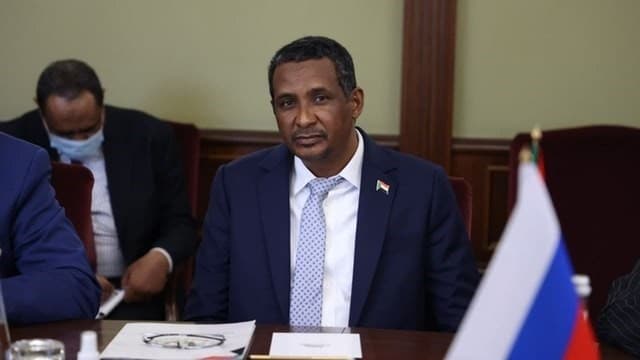
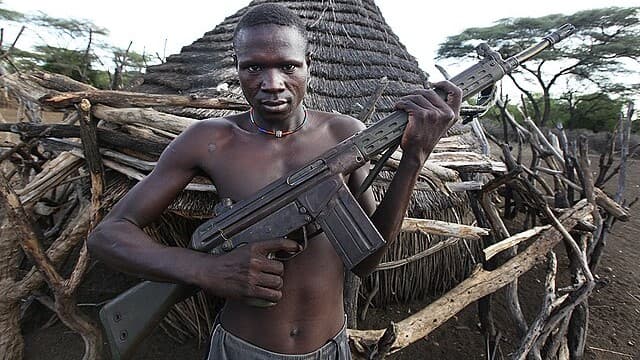
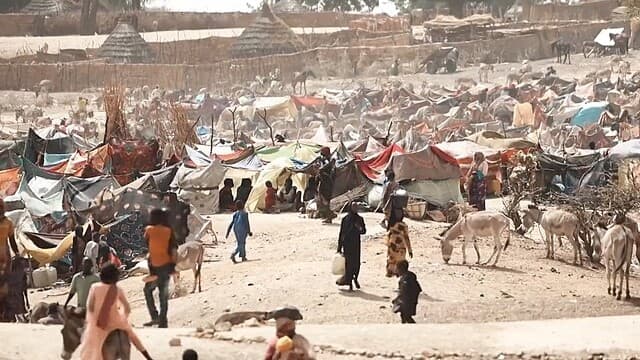
MEPs condemned in the strongest possible terms the war crimes and crimes against humanity committed in Sudan, in particular the atrocities taking place during the ongoing siege of the city of El-Obeid by the Rapid Support Forces (RSF). Parliament urged the EU to urgently step up its humanitarian aid, including direct funding to local organisations on the front line, and stressed the need for humanitarian corridors to enable civilian evacuations and aid delivery. MEPs called on the EU to impose sanctions on those responsible for attacks against civilians and on external facilitators such as the Global Security Services Group, which is accused of violating the UN arms embargo. Parliament also called for the RSF to be added to the EU's list of terrorist organisations, for an independent investigation into alleged war crimes, and for the International Criminal Court to be able to extend its jurisdiction to the whole country. The resolution passed by 476 votes in favour and 28 against, with 96 abstentions.
Nigeria: Kawel Massacre and the Fight Against Boko Haram
MEPs strongly condemned the attack in Kawel village and expressed condolences to the victims' families, while calling on Nigerian authorities to step up counter-terrorism efforts against Boko Haram and ensure independent investigations to end the culture of impunity. Parliament also urged the Nigerian government to strengthen civilian protection, invest in regional mediation, and address the environmental factors underlying conflicts in the country. MEPs called on the EU Special Envoy for the Promotion of Freedom of Religion or Belief outside the EU to pay particular attention to the deteriorating situation of Christians and all persecuted religious communities in Nigeria. The resolution was adopted by 510 votes in favour and 1 against, with 86 abstentions.
Pakistan: Forced Marriage and Protection of Religious Minorities
The third resolution highlighted the case of Maria Shahbaz, a 13-year-old Pakistani Christian girl who was abducted, converted to Islam, and forcibly married to her abductor in March 2026. MEPs called for her to have access to legal representation, her family, and psychological support. Parliament noted that according to UN figures from 2025, among women and girls affected by forced conversion through marriage, around 75% were Hindu and 25% were Christian. MEPs urged Pakistan's authorities to implement the country's national framework to end child marriage and create a national mechanism for handling complaints from families of abducted or forcibly converted girls from minorities. The resolution was adopted by show of hands.
This article is based on a verified primary source. The text was editorially reviewed and fact-checked prior to publication.