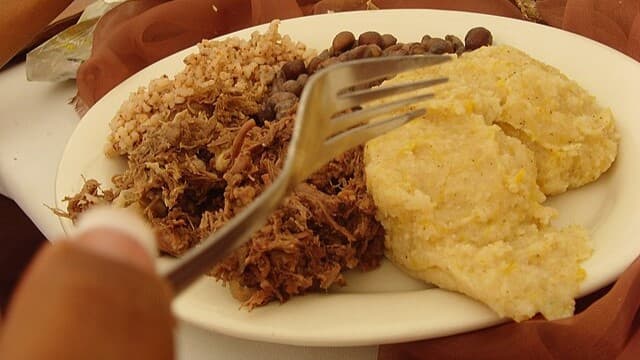
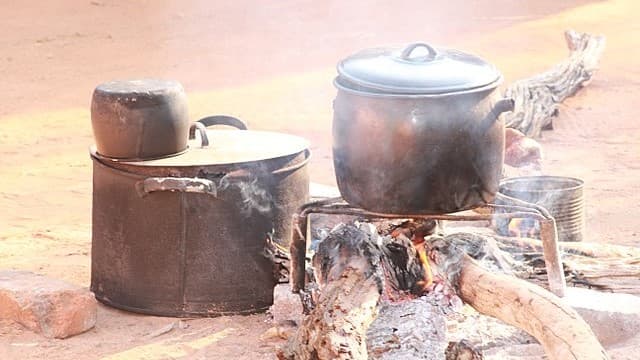
There is a sound that echoes through the cattle posts and family compounds of Botswana on Sundays and holidays alike — the rhythmic, hollow thud of wooden pestles striking softened meat in a great black pot. This is the sound of seswaa being made, a ritual as old as the nation's cattle culture itself, and one that announces, more surely than any calendar, that something worth gathering for is about to happen.
Seswaa is deceptively simple: beef, salt, water, time. But in that simplicity lies its power. This is a dish born of the vast, dry landscapes of the Kalahari fringe, where cattle have long been the measure of wealth, the currency of marriage negotiations, and the centerpiece of celebration. To serve seswaa at a wedding, a funeral, an independence day braai, or the inauguration of a chief is to speak a shared cultural language understood by every Motswana, from the cattle post to the capital.
What makes seswaa unforgettable is not spice or technique in the Western sense, but patience — hours of gentle simmering until the meat surrenders entirely, followed by the satisfying labor of pounding it into soft, fibrous strands with nothing more than salt and its own rendered juices. Served alongside a mountain of pap or bogobe and a tangle of morogo, it is humble food elevated by ceremony, community, and time.